Im Bereich der Geschichtswissenschaften gibt es, wenn es um Befestigungsanlagen oder Konflikte der Vergangenheit geht, relativ gesehen eine Fülle an Literatur. Allerdings sind wirklich originelle und qualitativ hochwertige Werke, sowohl was das Thema als auch den redaktionellen Inhalt betrifft, deutlich seltener. Daher lohnt es sich, einen Blick auf einen umfangreichen Band zu werfen, dessen Format – in-quarto – und Gewicht auf eine hohe Inhaltsdichte schließen lässt:
Der Titel, der gelinde gesagt ausdrucksstark ist, greift eine zeitgenössische Aussage auf: „Lieber ins Meer versinken als Holland verlieren“. Sein Autor, Martin Klöffler, Mitglied der Deutschen Gesellschaft für Festungsforschung, zeichnet sich durch ein bereits umfangreiches wissenschaftliches Werk aus, das durch zahlreiche Vorträge und Veröffentlichungen geprägt ist. Nach diesem eingängigen Titel verdeutlicht der Untertitel die Art der Arbeit, die sich einer bestimmten Epoche widmet – dem Ende des ersten französischen Kaiserreichs im Konflikt mit der europäischen Koalition – und einem oft vernachlässigten geografischen Gebiet: den Niederlanden, Belgien und Nordfrankreich. Diese Gebiete werden selten unter dem Gesichtspunkt der Befestigungsanlagen oder der Belagerungskriegsführung untersucht, da die „Schlacht“ dort häufig die Forschung dominiert. Dies gilt insbesondere für Frankreich, wo man gerne die großen Schlachten der Revolution und des Kaiserreichs in den Vordergrund stellt und dabei die Befestigungsanlagen und die Belagerungskunst vernachlässigt. Die Festungen spielten jedoch eine wesentliche Rolle in der napoleonischen Strategie, sei es in klassischer Form oder als befestigte Depots.
Klöffler beleuchtet diesen Aspekt der Kriegsführung anhand der dreiunddreißig Belagerungen, welche die Feldzüge von 1813-1814 allein nur in diesem begrenzten Raum prägten, wobei die Befestigungsanlagen nach traditionellen Prinzipien eingesetzt wurden. Über die bloße Aufzählung militärischer Ereignisse hinaus zeigt die Studie, wie die Ergebnisse dieser Operationen den Verlauf der europäischen Grenzen nachhaltig beeinflussten, wie sie durch die Unabhängigkeit Belgiens im Jahr 1830 besiegelt und zwischen 1839 und 1843 formalisiert wurden.
Obwohl diese Rezension natürlich versucht, einen kritischen und zugleich ausgewogenen Ansatz zu verfolgen, muss anerkannt werden, dass das Werk schon auf den ersten Blick Interesse weckt, allein schon aufgrund seines Umfangs und der vermuteten Qualität seines Inhalts. Die Untersuchung der Literaturangaben zeigt eine sehr reichhaltige Dokumentationsgrundlage, die je nach Thema mehrere wenig bekannte Titel umfasst. Diese Quellen, die mit Sorgfalt herangezogen wurden, bilden eine solide Grundlage für die gesamte Darstellung. Obwohl die Literatur zu diesem Forschungsgebiet weiterhin reichhaltig ist, haben bisher nur wenige Autoren einen Überblick angeboten, der militärische Operationen und Belagerungskunst miteinander verbindet.
Nach einer Einleitung über die militärische Organisation der damaligen Zeit erinnert ein kurzes Kapitel an die Grundsätze der Befestigungskunst, die Durchführung von Belagerungen und die Modalitäten der Kapitulation von Festungen. Diese einleitenden Elemente bilden ein logisches und schlüssiges Ganzes, welches das Verständnis für den Hauptteil des Bandes mit dem Titel „Feldzüge und Belagerungen“ vorbereitet. Anstatt einer streng chronologischen Abfolge hat sich der Autor für einen thematischen Ansatz entschieden und die Belagerungen nach Armeen und Kommandos gruppiert, wobei jede Gruppe einem bestimmten Kriegsschauplatz entspricht. Diese ungewöhnliche, aber gekonnt umgesetzte Methode erweist sich als kohärent und übersichtlich.
Jede Belagerung oder Blockade wird nach einem Standardmuster dargestellt, das je nach Kontext angepasst wird: Beschreibung des Ortes und seiner Umgebung (Gewässernetz, Verkehrswege, operative Rolle); administrative Daten (Garnison, Zustand der Bewaffnung und der Pulver- und Munitionsvorräte); Zusammensetzung des Belagerungskorps (Personal, Artillerie, Pioniertrupps, Kommando). Die Darstellung wird fortgesetzt mit einer Präsentation der Anfänge der Belagerung, der Entwicklung der Operationen in Form eines Tagebuchs und einem Epilog mit analytischen Kommentaren zum jeweiligen Verhalten der Belagerten und Belagerer. Die Belagerung von Naarden veranschaulicht diesen Ansatz beispielhaft und wird durch eine kritische Analyse der zeitgenössischen Ikonografie ergänzt. Das abschließende Kapitel bietet eine Zusammenfassung der nationalen Perspektiven der beteiligten Mächte, begleitet von allgemeinen Überlegungen zum Wesen und Zweck der Operationen von 1813-1814. Die besonders ausführlichen Anhänge umfassen eine Bibliografie, ein Glossar, Schlachtordnungen, verschiedene Dokumente und ein mehrsprachiges Ortsverzeichnis.
Die materielle Qualität der Ausgabe – Hochglanzpapier, klare Reproduktion der Abbildungen, solider Einband mit Kapitalband und Lesezeichen – erleichtert die Nutzung dieses umfangreichen Werks. Auch wenn sich der Inhalt in erster Linie an ein Fachpublikum richtet, das sich mit der Geschichte der Befestigungsanlagen befasst, ist er auch für diejenigen interessant, die sich mit den militärischen Ereignissen am Ende des französischen Kaiserreichs beschäftigen. Die Entscheidung für eine systematische Darstellung nach Kriegsschauplätzen statt nach chronologischen Gesichtspunkten mag manche Leser überraschen; eine Zeitleiste hätte übrigens zur besseren Übersichtlichkeit beigetragen.
Das Werk ist zwar nicht für eine fortlaufende Lektüre konzipiert, stellt jedoch eine umfassende und zuverlässige Dokumentationsquelle dar, die sowohl für Forscher als auch für Kulturerbe-Institutionen nützlich ist. Es sollte unter den Referenzpublikationen zu einem noch zu wenig erforschten Bereich der napoleonischen Geschichte Erwähnung finden.
Jean-Marie Balliet
(Festungsjournal 68 | 2026)
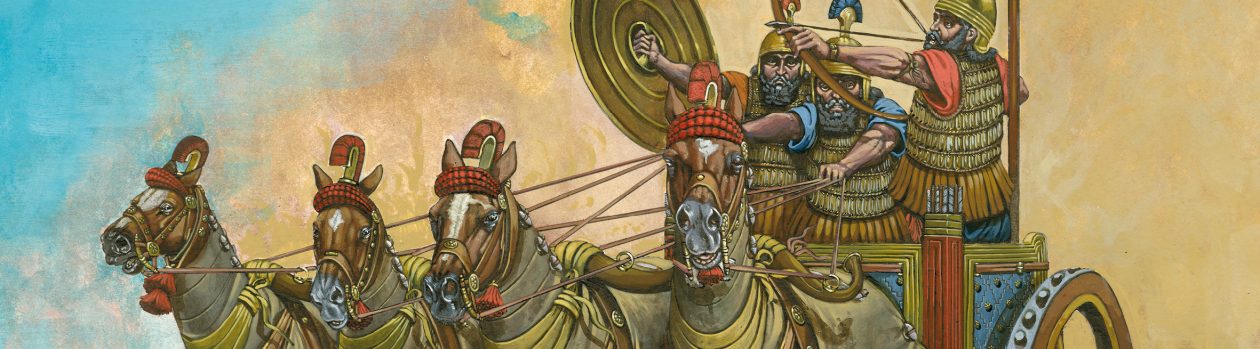
 Dem Eroberungsdrang der Assyrer unterlagen viele der altorientalischen Völker. Durch eine geschickte Bündnis- und Abhängigkeitspolitik sicherten sich die Assyrer ihre Macht über diese Völker. Oft erreichten die Assyrer das nur mit militärischen Mitteln. Einige dieser Völker, welche sich gegen das übermächtige Assyrien in der Zeit der Sargoniden um 722–627 v. Chr. wehrten, werden hier vorgestellt. Leider gibt es von den Wenigsten zeitgenössische Abbildungen – im Gegensatz zu den Assyrern. So mussten deren Aussehen anhand der wenigen Quellen und gefundener Artefakte rekonstruiert werden. Auch über das Militärwesen der meisten Gegner der Assyrer ist nicht viel bekannt, sodass die wenigen gesammelten Informationen in diesem Band erfasst wurden. Diese Völker erlebten genauso die Umbrüche der Zeit wie die Assyrer. Geprägt war diese Zeit auch von dem endgültigen Übergang der Bronze zur Eisenzeit, was sich in der Ausrüstung widerspiegelte. Dabei spielte der Austausch von Innovationen untereinander sowie mit den Assyrern eine große Rolle. Letztendlich waren es zu viele Gegner und Assyrien in vielen langen Auseinandersetzungen geschwächt, sodass es letztendlich unterlag.


